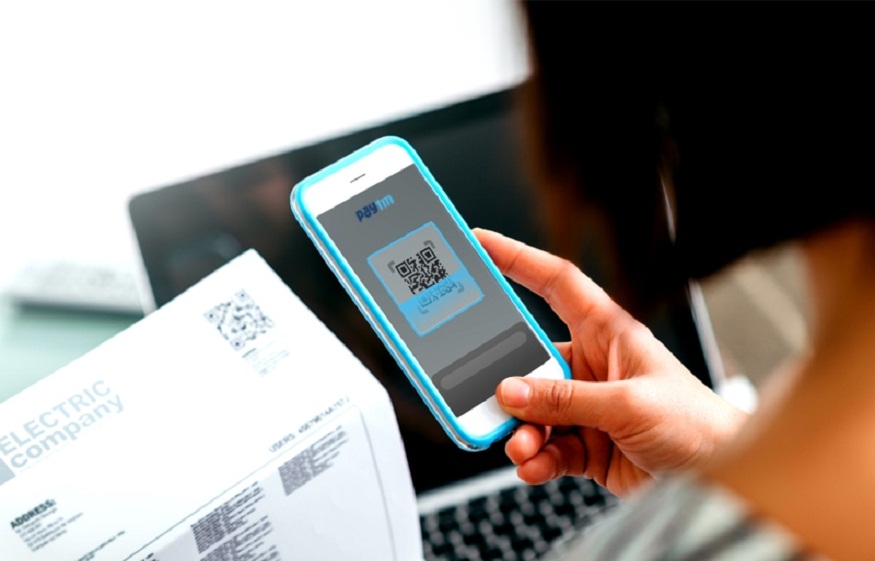
Most of us have transitioned to digital platforms to manage our monthly expenses. The convenience of handling an online bill payment from a smartphone or laptop is hard to beat. It eliminates the need for paper checks and trips to the post office. However, even with this modern technology, many homeowners find themselves confused by the fluctuating totals they see on their screens each month.
The numbers on your digital statement are not just random figures generated by a computer. They are the result of a specific process known as the meter reading cycle. Understanding how this cycle works is essential for anyone who wants to maintain a clear budget. When you know the timing of your readings, you can better predict your upcoming costs and ensure that every electric bill payment you make is based on actual usage.
There is often a gap between the moment a technician reads your meter and the moment the data appears in your account. This delay can lead to questions about accuracy and timing. By exploring the relationship between physical meter readings and digital billing systems, we can demystify the process and help you take control of your utility management.
Understanding the Standard Billing Window
A billing cycle is the period between two consecutive meter readings. While many people assume that their bills cover a perfect calendar month from the first to the thirtieth, this is rarely the case. Utility companies typically divide their service area into different routes. Each route is assigned a specific day for reading, which means your cycle might run from the fifteenth of one month to the fifteenth of the next.
Read More : The Demat and Trading Account Combo: Uncover the Path to Financial Success
This staggered schedule is why your online bill payment might seem higher or lower than expected. If your billing window happens to include an extra weekend or a couple of additional days due to a holiday schedule, your total consumption will naturally be higher. The length of a cycle can vary between 28 and 33 days. These few extra days of power usage can add up quickly, especially during periods of extreme weather.
When you log in to view your account, you should always look for the service dates listed on the statement. Comparing the number of days in the current cycle to the previous one is the first step in verifying accuracy. If you notice a significant jump in the total, check if the billing period was simply longer than usual. This simple habit helps you distinguish between an increase in daily usage and a simple change in the calendar window.
The Connection Between Physical Readings and Digital Portals
Even in an era of smart meters, the transition of data from your home to the utility company is not always instantaneous. For traditional meters, a technician must physically visit the property and record the numbers. This data is then uploaded into a central system where it undergoes several layers of verification. Only after these checks are complete does the information translate into an online bill payment request.
This processing time creates a lag. If you check your account the day after you see a meter reader in your yard, the updated balance might not be there yet. The system needs time to calculate the charges based on current rates and any applicable taxes or fees. For consumers, this means that the balance you see online is a snapshot of a specific point in time rather than a real-time reflection of your current meter status.
Smart meters have reduced this lag significantly by transmitting data wirelessly. However, even these advanced systems can experience communication errors. If a smart meter fails to send its signal, the system may revert to a manual process or an estimation. Staying aware of your specific reading date allows you to know exactly when to expect an accurate update in your digital portal.
How Estimated Readings Create Payment Discrepancies
One of the biggest hurdles to accuracy in an electric bill payment is the use of estimated readings. If a utility worker cannot access your meter due to a locked gate, a territorial pet, or severe weather, the company will not simply skip the bill. Instead, they use an algorithm to estimate your usage based on your historical data and the current weather patterns.
Estimated bills are common, but they are not always precise. If the estimate is too high, you end up overpaying for the month. If it is too low, you will face a much larger bill the following month when an actual reading is finally taken. This correction process is known as a true-up. While the company eventually gets the numbers right, it can cause significant stress for those who rely on consistent monthly costs.
You can usually identify an estimated bill by looking for a small code or letter next to the reading on your digital statement. An A usually stands for an actual reading, while an E indicates an estimate. If you see an E, you should be prepared for a potential adjustment in the next cycle. Some companies allow customers to submit their own photos of the meter to avoid these estimates, which can be a great way to ensure your online bill payment reflects your true consumption.
Seasonal Variations and Cycle Length
The timing of your meter reading cycle often overlaps with seasonal shifts in weather. This overlap can make it difficult to pin down exactly why a bill has increased. For example, if a heatwave begins in the final week of your billing cycle, those few days of heavy air conditioning use will be reflected in your upcoming payment. Because the cycle does not align with the calendar month, you might receive a high bill for summer usage even after the weather has started to cool down.
Furthermore, the number of days in a cycle can change based on the utility company’s staffing and schedule. A thirty-two-day cycle in the middle of winter will look much more expensive than a twenty-eight-day cycle in the spring. When you make an online bill payment, it is easy to focus only on the total dollar amount. However, the real metric to watch is the average daily kilowatt-hour usage.
By focusing on daily averages rather than the total monthly cost, you can account for the varying lengths of the reading cycles. This perspective allows you to see if your energy-saving efforts are actually working. If your daily average is going down but your bill is going up, the culprit is likely a longer billing window or a shift in the reading dates.
Ensuring Accuracy in Your Online Bill Payment
To maintain the highest level of accuracy, you should take a proactive approach to your utility account. Start by downloading your past twelve months of statements. Look for patterns in the reading dates and the length of each cycle. This historical context will help you spot outliers that might indicate a reading error or a malfunctioning meter.
Another effective strategy is to perform your own informal readings. By checking your meter on the same day the utility company is scheduled to read it, you can verify the numbers yourself. If you find a major discrepancy between your physical meter and what is shown during your online bill payment process, you can contact customer service with evidence to request a correction.
Read More : The Digital Way to Invest: A Step-by-Step Guide to Online Demat Account
Finally, always keep an eye on the rate per kilowatt-hour. Sometimes an increase in your electric bill payment is not due to usage or cycle timing, but rather a change in the utility rates. These changes often happen at the start of a new season. Understanding the structure of your bill, from the reading dates to the unit price, ensures that you are never surprised by the amount you see on your screen. Taking these steps turns a confusing monthly chore into a manageable part of your financial routine.